
 In today’s healthcare landscape, the effective use of technology in private practice is more than a convenience—it’s a necessity. At Eggleston & Eggleston, we understand that with rising administrative demands, patient expectations and regulatory requirements, embracing the right technology can streamline operations, enhance care delivery and keep your practice competitive. Whether you’re just starting or looking to upgrade your systems, leveraging technology in private practice in Roanoke, VA can lead to more efficient workflows, improved patient satisfaction and better financial outcomes.
Electronic Health Records (EHR): Best Practices for Integration
One of the cornerstones of technology in private practice is a well-integrated Electronic Health Record (EHR) system. EHRs centralize patient information, enabling providers to access critical data quickly and securely. This results in more accurate diagnoses, streamlined communication and enhanced patient outcomes.
Best practices for EHR integration include:
- Select a practice-appropriate system: Choose EHR software tailored to the size and specialty of your practice.
- Train your staff thoroughly: Ensure everyone is confident and proficient in using the system.
- Customize the interface: Adapt the EHR to match your existing workflows for better adoption.
- Stay current: Regular updates and vendor support ensure your EHR remains compliant and functional.
Implementing EHRs successfully is one of the most impactful ways to use technology in private practice.
Automating Administrative Tasks
Administrative duties—like billing, insurance claims and appointment scheduling—can eat up time and resources. Fortunately, technology in private practice can automate many of these tasks, increasing efficiency and reducing costly errors.
Key benefits of automation include:
- Faster insurance claims processing: Automated verification and submission reduce turnaround time.
- Fewer no-shows: Automated appointment reminders help patients stay on schedule.
- Simplified billing: Digital payment platforms allow patients to pay online, improving collections.
By automating these processes, technology in private practice allows staff to focus more on delivering care rather than chasing paperwork.
Telemedicine: Expanding Reach and Flexibility
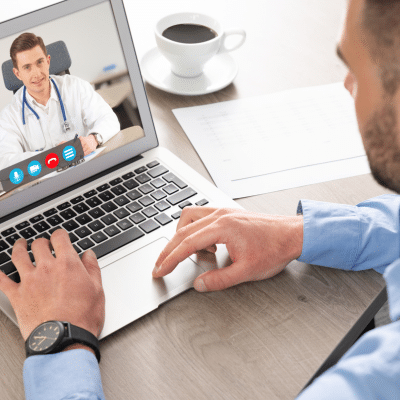
Telemedicine has quickly become an integral part of technology in private practice, offering flexible care delivery and expanding patient access. From follow-up visits to consultations, telehealth provides a convenient option for both providers and patients.
Advantages of telemedicine integration:
- Increased access: Patients in remote or underserved areas can receive timely care.
- Improved efficiency: Providers can manage more appointments with fewer in-office demands.
- Patient satisfaction: Virtual visits offer comfort and convenience that many patients now expect.
By embracing telehealth as part of your care model, you’re harnessing technology in private practice to meet evolving patient needs.
Data Security: Protecting What Matters Most
As digital tools become more prevalent, securing patient data becomes a top priority. Using technology in private practice comes with responsibility—protecting sensitive health information and complying with HIPAA regulations.
Effective security strategies include:
- Use encrypted, HIPAA-compliant systems: This protects data from breaches and unauthorized access.
- Limit access based on roles: Only authorized staff should have access to certain types of patient data.
- Conduct regular audits: Frequent assessments help identify and fix vulnerabilities.
- Train staff regularly: Ensure your team understands how to handle data securely.
Strong cybersecurity is non-negotiable when using technology in private practice.
Staying Ahead: The Competitive Advantage of Technology
Practices that embrace technology in private practice don’t just operate more efficiently—they grow faster, reduce burnout and deliver higher-quality care. Staying current with new tools and trends keeps your practice relevant in a fast-changing healthcare environment.
Cloud-based systems, artificial intelligence, digital patient forms and mobile access to records are just a few examples of how modern technology in private practice is evolving. Proactively exploring and adopting these innovations shows your commitment to both operational excellence and patient-centered care.
Conclusion: The Smart Way Forward
Adopting technology in private practice isn’t about replacing human care—it’s about enhancing it. From EHRs and automation to telemedicine and data protection, today’s tools empower providers to work smarter, not harder. By thoughtfully integrating these systems, you position your practice for long-term success, increased profitability and exceptional patient service.
At Eggleston & Eggleston, we partner with private practices in Roanoke, VA to optimize their operations and financial health. Let us help you navigate the strategic use of technology in private practice—so you can focus on what matters most: delivering outstanding care. Our complimentary practice review sets us apart, offering a detailed and thorough assessment of your practice along with clear recommendations, all provided at no cost to help you get started on the path to long-term success. Request your complimentary practice review today to get started.